

A successful dermatology practice sale is made up of many moving parts. Our specialized firm draws upon decades of high level expertise to give you strategic guidance at every step.
We review your financial performance, operational strength, patient demand, positioning and growth opportunities. This helps owners see their practice the way buyers do before going to market.

The value of a dermatology practice depends on more than revenue alone. Buyers evaluate financial performance, patient base, service mix, operational strength, and future growth potential when determining value.
Financial Performance
Revenue trends, profitability, EBITDA, margin profile, trends and expense management help buyers understand the stability of your practice and earning potential.
Patient Base
A strong patient base, high retention, and consistent new patient growth demonstrate market demand and long-term opportunity.
Service Mix
Medical dermatology, cosmetic services, surgical procedures, and ancillary offerings can impact buyer interest and practice value.
Practice Operations
Provider structure, experienced staff, efficient systems, and documented processes help ensure a smooth transition and continued success.
Understanding these factors helps dermatology practice owners identify opportunities to strengthen value before beginning the sale process and better prepare for discussions with potential buyers.
To sell a dermatology practice, everything must be handled with care. Ellis and Associates runs a highly structured sale process proven to maximize value.
This step-by-step process includes the following:
This approach has been proven to minimize uncertainty so you can move through the sale process with confidence.
Buyers evaluate more than revenue when considering a dermatology practice acquisition. They look at financial performance, patient relationships, and opportunities for future growth.
Key components include:
Every dermatology practice has unique value drivers. Our dedicated team will help identify your strengths and improve your weaknesses to give you the leverage you need when it’s time to sell.
Someone who can relate to both buyers and doctors is essential here.
The process is managed discreetly to protect staff, patients, and referral relationships.
Research shows practices with professional representation achieve valuations 10-40% higher than without. The selling doctor(s) keep more of the proceeds than they would otherwise on their own.
Sellers receive support during buyer queries, document review and closing preparation. Here is where deals can, and often do, fall apart.
Preparing your dermatology practice before entering the market can help improve buyer confidence and create a smooth sale process. Key preparation areas include:
Financial Preparation
Operational Preparation
Growth Preparation
Obtain a top-quality (this matters greatly) practice valuation for a clear view of what you are likely to receive for selling your practice. Identify the steps to improve your value before transaction time.
We understand how buyers think and how sellers can squander their opportunity without the right preparation.
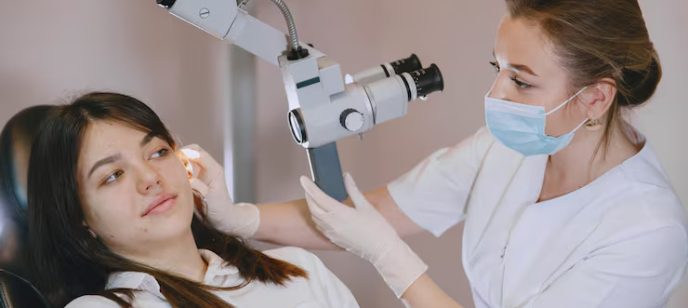
Selling a cosmetic dermatology practice requires careful planning and a clear understanding of what drives value. Buyers consider factors beyond revenue, including patient relationships, service offerings, operational strength, and growth potential.
Ellis & Associates helps practice owners navigate the sale process with strategic guidance, from valuation and buyer positioning to negotiations and closing. Schedule a consultation with a dermatology M&A advisor today to discuss your goals and explore your options.
The value of a dermatology practice depends on several factors, including revenue, profitability, patient base, service mix, provider structure, operational strength, and growth opportunities. A professional valuation helps determine your practice’s current market position and identifies opportunities to increase value before a sale.
Dermatology practices are typically valued by reviewing financial performance, including revenue, profitability, EBITDA, patient demand, service offerings, growth profile and future growth potential. Buyers also consider operational efficiency, provider productivity, market position, and other factors that influence long-term value.
That depends on your personal goals, practice plans, financial performance, market demand, market conditions and growth opportunities. A valuation will help you understand where your practice stands before beginning the sale process.
Yes. Many dermatologists stay involved after closing through an employment agreement, transition role, or equity partnership and are often required to do so by the buyer. Buyers typically desire 3-5 year stay periods, these can be negotiated and will impact valuation.
Potential buyers may include private equity-backed dermatology platforms, regional dermatology groups, strategic healthcare buyers and other physician-led organizations. The buyer depends on your practice size, location, service mix and growth potential.
The timeline can vary based on preparation, buyer interest, diligence, negotiations and closing requirements. Most transactions will take 6-9 months.
An experienced dermatology M&A advisor helps with valuation, buyer targeting, proposal review, negotiation, due diligence and closing support. This lets practice owners avoid common mistakes and maximize returns.
Common documents include financial statements, tax returns, practice performance reports, provider agreements, employee information, payor agreements, lease agreements, other material contracts, and other records required during buyer review and due diligence.
You can improve practice value by strengthening financial performance, improving operational efficiency, maintaining patient growth, optimizing service offerings, reducing owner dependence, and preparing key documentation before entering the sale process.